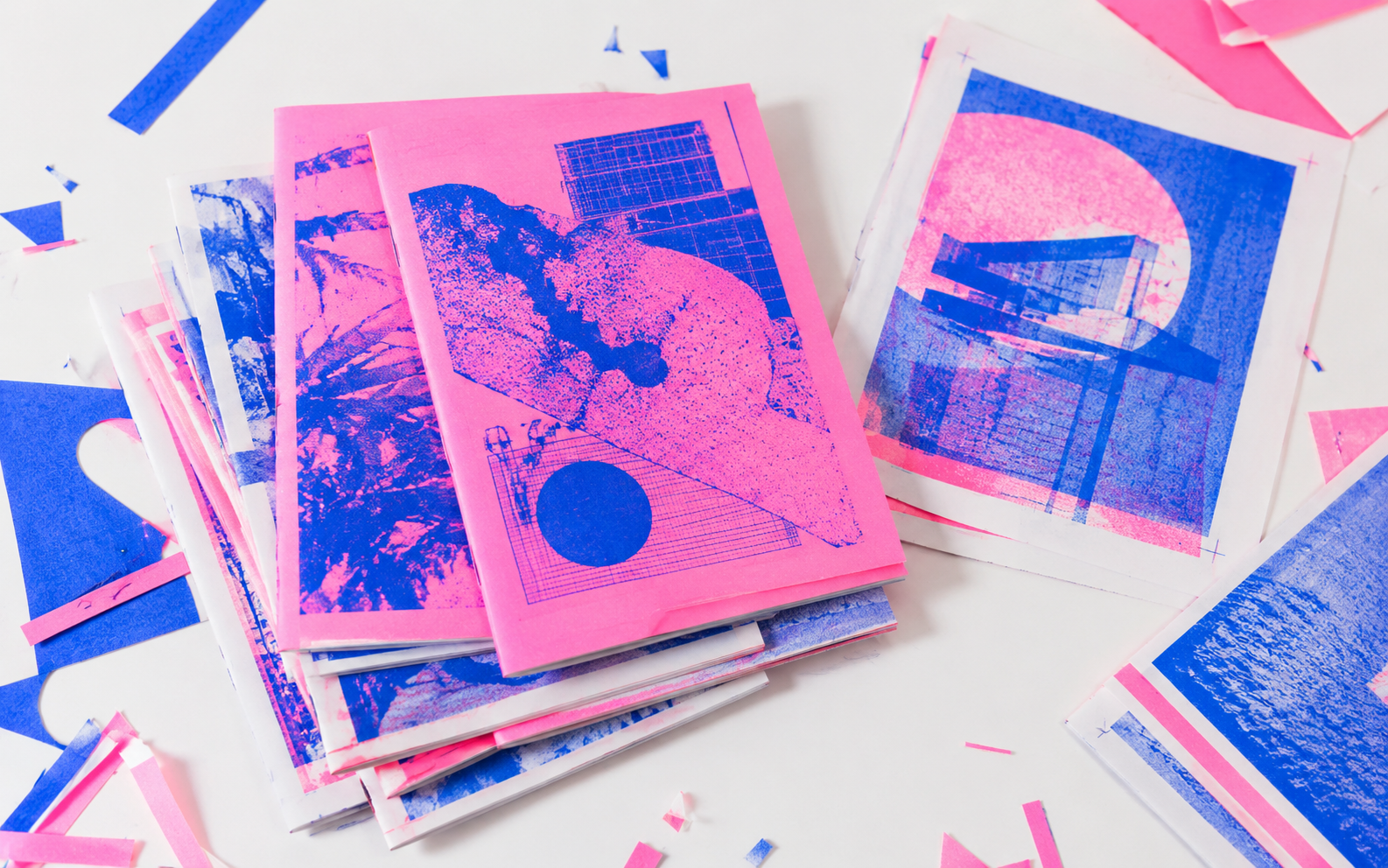
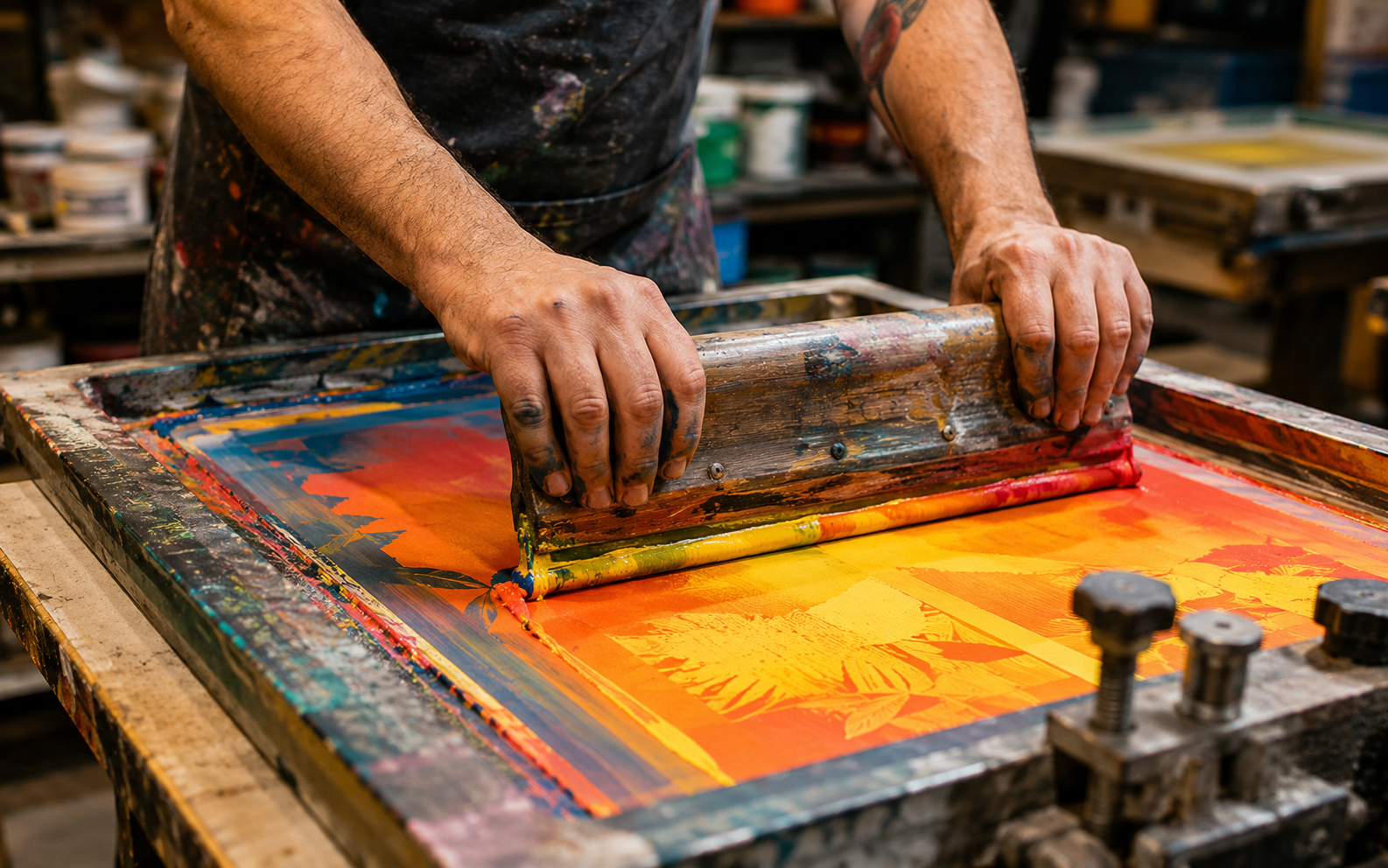
There is something almost alchemical about pulling a squeegee across a mesh screen and watching ink flood through to the surface below. Screen printing — or serigraphy, if you want to sound distinguished at gallery openings — has been around in some form for centuries, yet it continues to attract new practitioners drawn to its directness and physicality.
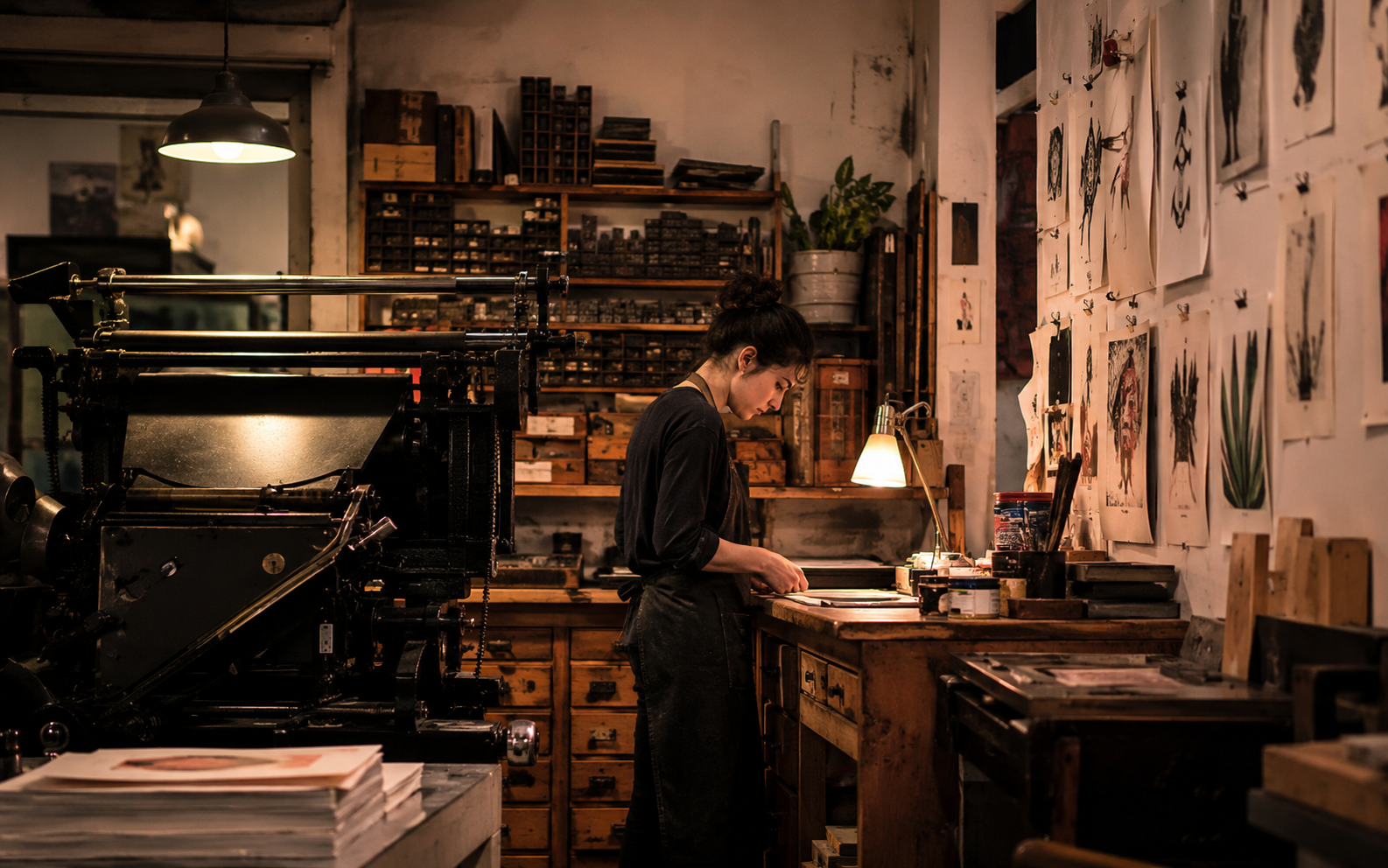
Unlike digital printing, which operates at a comfortable remove, screen printing demands that you get your hands dirty. You coat screens with emulsion, expose them under UV light, wash out the stencil, mix inks by hand, and pull each print individually. Every step carries the possibility of happy accidents or minor disasters, and that tension is precisely what makes the craft so compelling.
A Brief and Imperfect History
Screen printing's roots trace back to China's Song Dynasty, where silk mesh was used to transfer ink patterns onto fabric. The technique migrated westward over centuries, eventually finding a foothold in commercial printing during the early twentieth century. But it was the pop art movement of the 1960s that elevated screen printing into the fine art canon. Andy Warhol's Marilyn Monroe prints demonstrated that a mechanical reproduction technique could carry as much emotional weight as any oil painting.
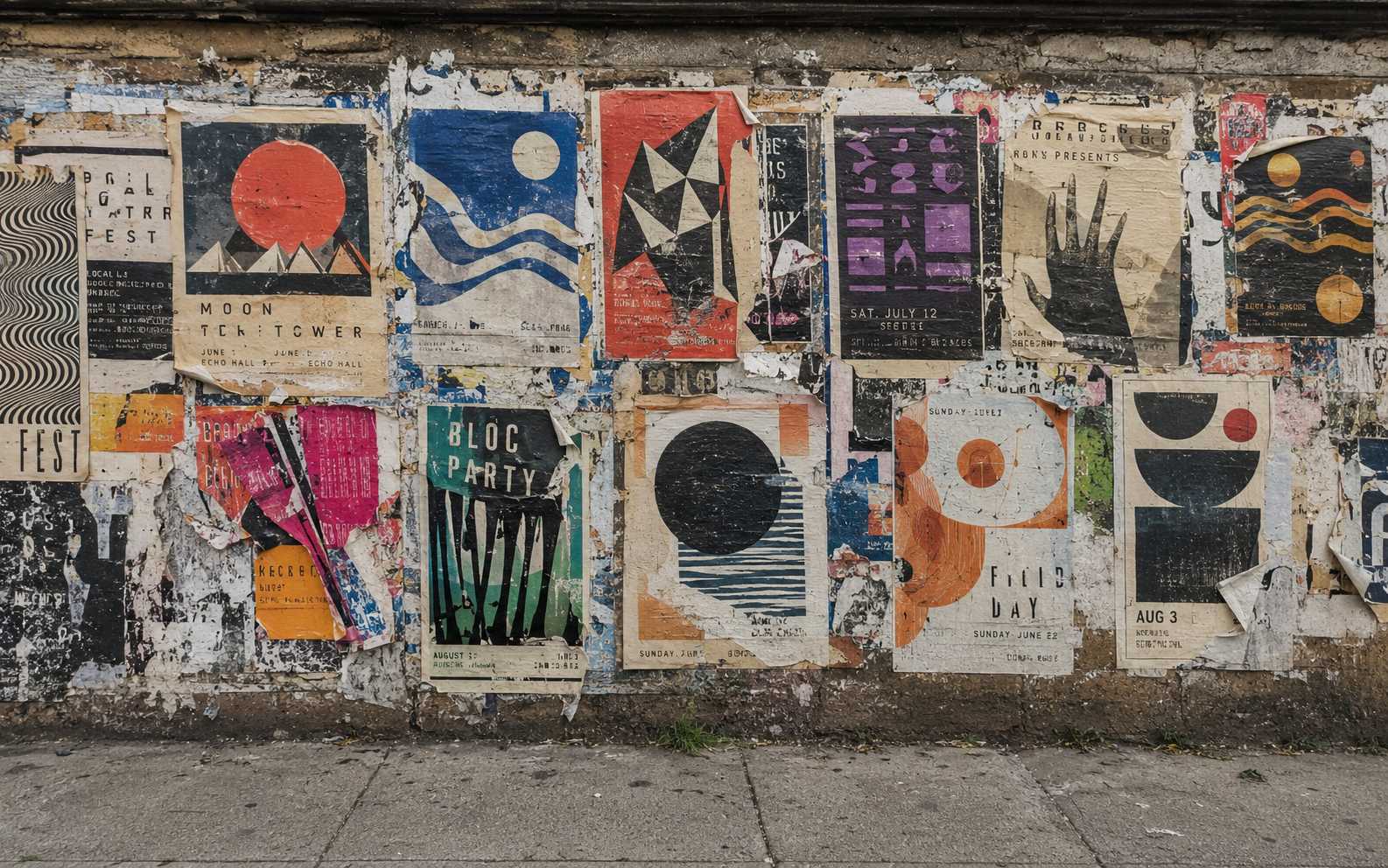
By the 1970s and 1980s, screen printing had become the go-to method for band merchandise, political posters, and independent t-shirt operations. The punk and skateboarding scenes relied on it heavily — not because it was fashionable, but because it was cheap, fast, and something you could do in your garage with minimal equipment.
Why the Process Still Matters
In an era when you can upload a design file and receive printed shirts in a matter of days, the appeal of hand-pulled screen prints might seem anachronistic. But the process produces something that digital methods simply cannot replicate. The ink sits on top of the fabric rather than being absorbed into it, giving screen-printed garments and posters a tactile quality — a slight raise you can feel with your fingernails — that feels deliberate and considered.
There is also the matter of color. Screen printing inks, particularly plastisol and water-based varieties, have a vibrancy and opacity that digital printing struggles to match on dark substrates. A bright white on a black t-shirt printed digitally often looks washed out. Screen printed, it glows.
The Community Keeps It Alive
Perhaps the strongest argument for screen printing's continued relevance is the community that surrounds it. Print shops have become gathering places — part studio, part social club, part incubator for local artists. Organizations and community studios around the world offer workshops where anyone can learn the basics in an afternoon, then spend years refining their technique.
The annual print festivals that pop up in cities across North America, Europe, and Asia speak to the medium's global appeal. These are not nostalgic gatherings of people mourning a dying art. They are loud, messy, optimistic events where printers swap techniques, debut new work, and argue passionately about ink formulations.
Looking Forward
Screen printing is not going anywhere. If anything, the growing appetite for handmade, limited-edition objects in a world saturated with mass-produced goods has given the medium a second wind. Young artists are discovering it not as a relic of the past but as a viable, expressive, and deeply satisfying way to make work that exists in the physical world — something you can hold, hang, or wear. And in an increasingly screen-mediated existence, that physicality might be exactly what we need.